



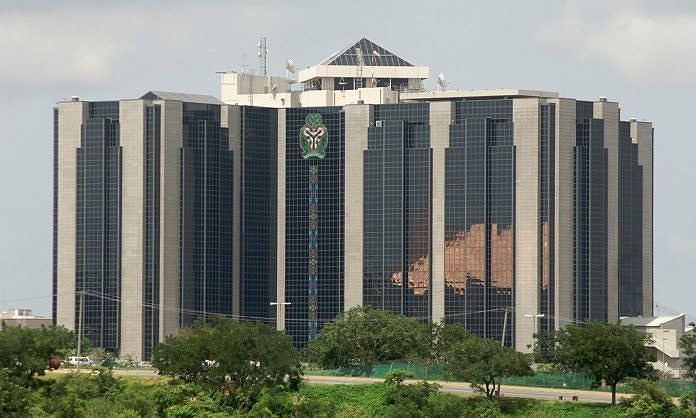
Nigeria’s Central Bank (CBN) and Nigerian Communications Commission (NCC) have introduced a groundbreaking proposal requiring customers to receive automatic refunds within 30 seconds for failed airtime and data transactions, addressing widespread billing complaints in the telecom sector.
The Joint CBN–NCC Framework for Resolution of Failed Airtime and Data Purchase Transactions, published Monday as an exposure draft, aims to establish clear accountability and create a unified approach to consumer redress across financial and telecommunications industries.
Automated Reversals to Replace Lengthy Delays
The most transformative element of the proposed framework is the introduction of standardised, automated refund timelines. Currently, Nigerians often endure prolonged delays when airtime purchases fail at the bank, aggregator, or Mobile Network Operator (MNO) level.
The February 5, 2026 draft mandates a 30-second window for automated reversals across all failure points—whether transactions fail at the bank level, between NCC-authorised licensees, or from MNOs to licensees. Section 6.0 (ii) emphasizes that stakeholders must “automate reversal processes” to eliminate the need for customer intervention.
Stricter Operational Requirements
The framework imposes several operational requirements on industry participants:
- Banks and MNOs must connect exclusively with NCC-authorised licensees for airtime and data vending
- Failure notifications create immediate settlement obligations between MNOs and authorised licensees
- Stakeholders must maintain and share daily reports of successful and failed transactions
- The CBN and NCC will conduct joint or individual audits quarterly, or as determined
Real-Time Monitoring Dashboard
To enhance oversight, regulators are proposing a Central Monitoring Dashboard jointly hosted by the CBN and NCC. This platform will track reversals, Service Level Agreement (SLA) breaches, and customer complaints in real-time, establishing nationwide visibility across the entire value chain through uniform error codes.
The dashboard is designed to resolve the persistent issue of “unclear ownership of liability,” where banks and telcos frequently shift blame for failed recharges.
Protections for Ported Numbers and Erroneous Recharges
The framework addresses the common problem of lost funds when customers recharge ported phone numbers. MNOs must now validate phone numbers against the ported number database before processing recharges. If a number is identified as ported out or invalid, the system must proactively block the recharge and send a failure code to prevent customer debits.
For erroneous recharges sent to the wrong recipient, clear protocols have been established:
- Below N20,000: MNOs will request the recipient’s consent before reversal
- Above N20,000: An affidavit of indemnity or notarised letter is required for recovery
Enforcement and Compliance
Both agencies have signaled a firm stance on enforcement, warning they will “impose penalties for any breach” of the framework’s provisions. Joint quarterly audits will verify compliance across all stakeholders, including banks, payment service providers, and MNOs.
Banks and financial institutions have until February 10, 2026 to submit feedback on the draft. Once finalized and implemented, the framework is expected to significantly restore subscriber trust in Nigeria’s digital financial ecosystem.