



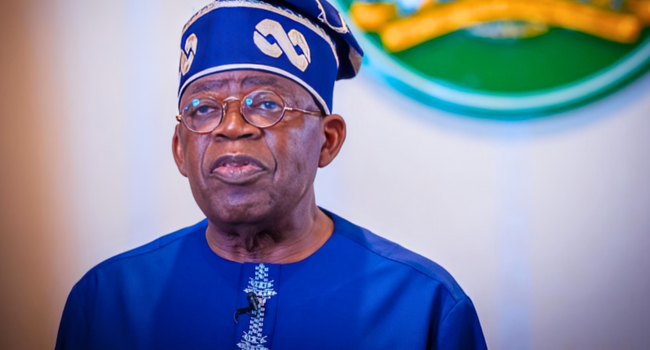
The Federal Government has announced a waiver on import duties for mass transit buses, electric vehicles, and manufacturing machinery. This policy shift is in response to President Bola Ahmed Tinubu’s directive for economic officials to implement measures that mitigate the effects of the ongoing Middle East crisis on Nigerians, particularly in light of surging fuel prices.
Dada Olusegun, Special Assistant to the President on Social Media, revealed via an X post on Monday that these new fiscal measures aim to ease economic hardship and help curb inflation. According to Olusegun, the Tinubu administration has approved comprehensive import duty reductions to lower inflation, support businesses, and enhance affordability for consumers.
Import duties on electric vehicles and mass transit buses have been reduced from 5% to 0%, granting full exemption and encouraging affordable public transportation as well as cleaner mobility options. Duties on manufacturing machinery have also been eliminated, dropping from 5% to 0% to reduce production costs and stimulate industrial growth.
Further adjustments include a reduction in raw cane sugar duties from 70% to between 55% and 57.5%, and crude palm oil duties from 35% to 28.75%. Broader tariff reforms have also been introduced: passenger vehicle duties are cut from 70% to 40%, bulk rice from 70% to 47.5%, and broken rice from 70% to 30%. In the construction and industrial sectors, tariffs on steel sheets and coils have been lowered from 45% to 35%, while duties on glazed ceramic tiles fell from 55% to 46.25%. These changes are designed to bring down production and construction costs.
A 90-day “Transition Phase” beginning April 1 has been established, allowing markets to gradually adjust and helping to prevent sudden economic shocks.
The ongoing Israel–US–Iran conflict, which began on February 28, 2026, has severely disrupted global oil flows—especially around the Strait of Hormuz, which accounts for about 20% of worldwide crude shipments. The crisis has increased energy price volatility and raised shipping and insurance expenses globally, including in Nigeria.
Since the conflict began, crude oil prices soared to as high as $120 per barrel amid attacks on energy infrastructure and restricted shipping routes. Following a ceasefire announcement on April 8, Nigerian crude and major contracts dropped below $95 per barrel, while Brent crude and WTI declined by more than 15%.
However, on April 12, U.S. President Donald Trump ordered the U.S. Navy to blockade all vessels entering or exiting the Strait of Hormuz after peace talks in Islamabad broke down. This escalation pushed Brent crude above $102 per barrel and WTI to $104.16 per barrel on April 13.