



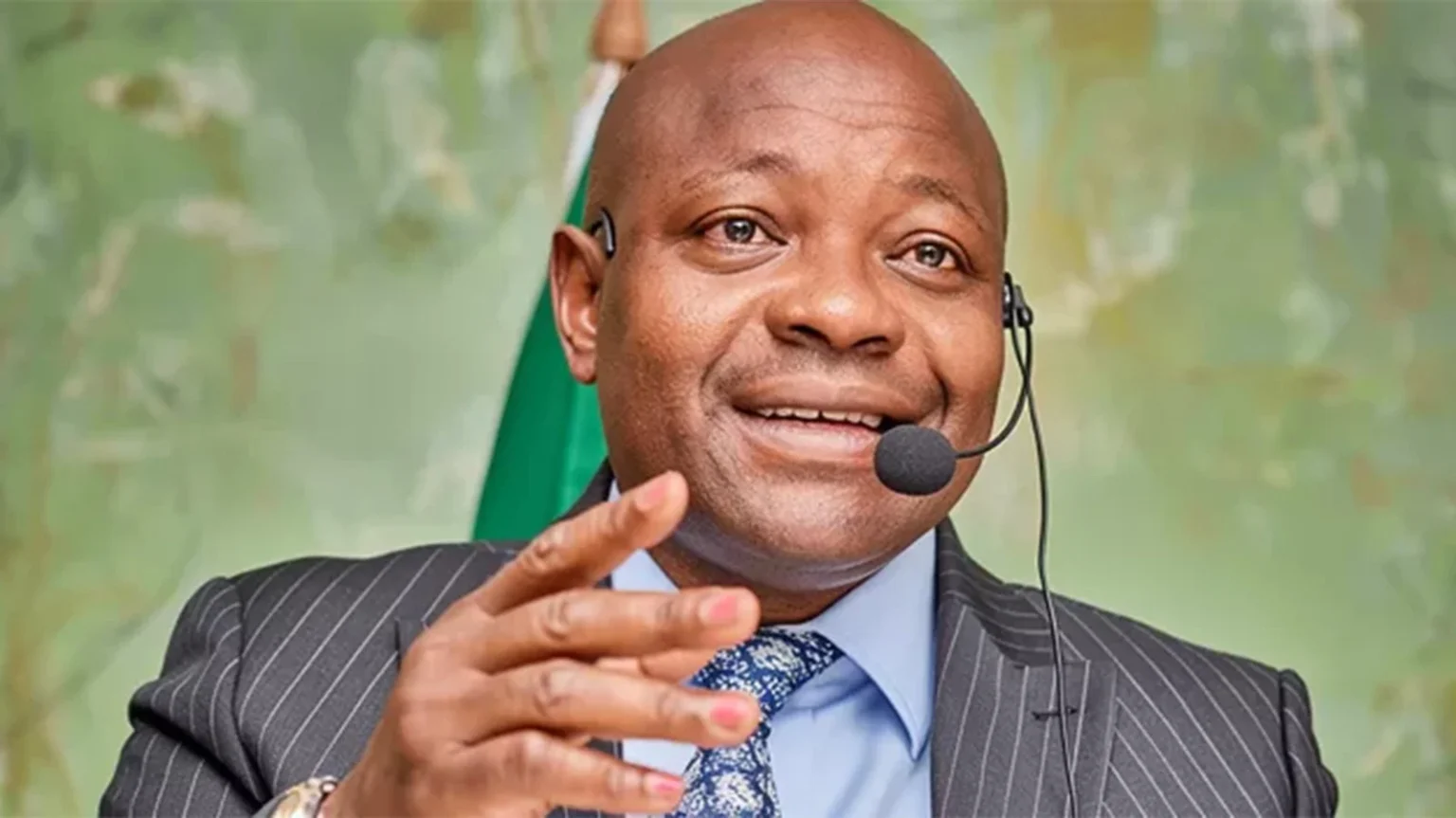
The Director-General of the Department of State Services (DSS), Oluwatosin Ajayi, has instructed agency operatives not to arrest individuals over civil matters.
In an interview with The Sun on Thursday, Ajayi explained that this directive is part of a broader effort to uphold the rule of law and enhance the agency’s human rights record.
Ajayi highlighted that, since assuming office, he has implemented reforms in five main areas: law enforcement, inter-agency cooperation, accountability, respect for human rights, and infrastructural and administrative improvements to boost operational efficiency.
He noted that these changes have clarified the distinction between civil and criminal matters within the agency.
Reflecting on his career, Ajayi acknowledged that the DSS previously blurred the lines between civil and criminal cases, sometimes inappropriately using force where it was not warranted. “You cannot apply the use of force in civil matters. Even some criminal matters don’t require force,” he said.
Ajayi cited the example of political economist Prof. Pat Utomi, who was accused of attempting to establish a “shadow government.” Instead of arresting Utomi, the DSS sought judicial interpretation, and the court ultimately ruled his actions unconstitutional, illegal, and a threat to national security.
He also referenced a case involving the Socio-Economic Rights and Accountability Project (SERAP), which brought allegations against two DSS operatives for invading its premises. The case was resolved in court without any arrests, resulting in the court awarding over N100 million in favour of SERAP.
When asked whether the DSS now turns to the courts in civil matters, Ajayi confirmed, “Yes. I have told my people that there should be no arrest in any civil case. And I’m sure you have noticed that, even in cases involving journalists, we prefer to approach the court. We see journalists as our professional colleagues—the only difference is that, while you inform the public, we inform the Government. Our information remains classified until it is declassified.”