



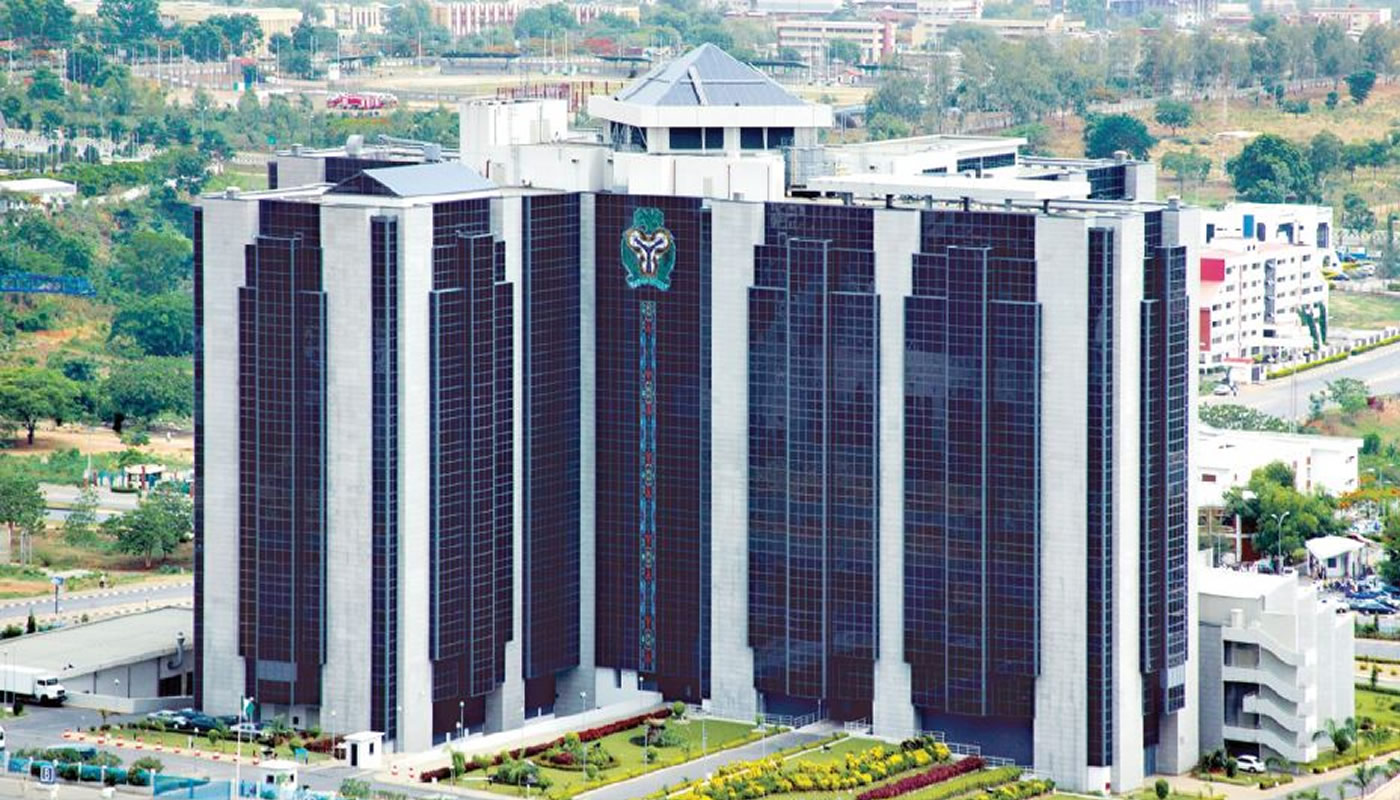
The Central Bank of Nigeria (CBN) has stepped up its oversight of banks and other financial institutions to address the risks of terrorism financing, aiming to prevent the misuse of the nation’s financial system by illicit actors.
In a press statement issued Tuesday and signed by Hakama Sidi-Ali, Acting Director of Corporate Communications and Investor Relations, the CBN announced that combating terrorism financing has become a top supervisory priority. The bank said it is placing greater emphasis on transaction monitoring, suspicious transaction reporting, and strict compliance with targeted financial sanctions.
This move marks a significant increase in regulatory scrutiny of how financial institutions identify and manage transactions potentially linked to the funding of terrorism. The CBN outlined four main areas of supervisory focus: terrorism financing risk management, transaction monitoring, implementation of targeted financial sanctions, and the reporting of suspicious transactions related to terrorism financing.
Under the new directive, banks and other regulated financial entities are expected to strengthen their systems for detecting unusual transactions and to adhere strictly to anti-money laundering (AML) and counter-terrorism financing (CFT) requirements. The CBN noted it will continue deploying a risk-based approach to supervision, combining on-site examinations with off-site monitoring to ensure effective AML, CFT, and counter-proliferation financing (CPF) controls across the sector.
A risk-based supervisory framework means regulatory attention is focused on institutions, customers, transactions, or activities that pose higher risks of financial crime, rather than applying uniform scrutiny across the board.
The CBN also underscored the importance of implementing targeted financial sanctions, which are designed to prevent designated individuals and entities from accessing or transferring funds through formal financial channels. Additionally, the bank highlighted the requirement for financial institutions to monitor customer activities and promptly report transactions that may signal potential financial crime.
This heightened supervisory focus, the CBN said, aligns with Nigeria’s ongoing domestic and international efforts to combat terrorism financing, protect the integrity of the financial system, and support broader cooperation on financial integrity and security. The bank emphasized that further supervisory actions will be taken as necessary.
Recently, The PUNCH reported that the CBN instructed financial institutions to immediately freeze the accounts and assets of individuals and entities designated for terrorism and terrorism financing, following fresh sanctions from Nigerian and U.S. authorities. This directive was detailed in a circular dated June 24, 2026, addressed to all banks and financial institutions regulated under the Banks and Other Financial Institutions Act 2020. The action follows sanctions designations by both the Nigeria Sanctions Committee and the U.S. Department of the Treasury’s Office of Foreign Assets Control under Executive Order 13224, as amended, targeting terrorism and terrorism financing.