



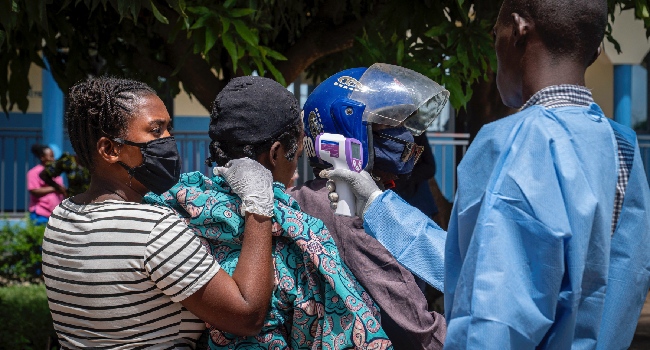
The Federal Government has confirmed the first case of the Bundibugyo strain of the Ebola virus in the Federal Capital Territory (FCT).
According to the Nigeria Centre for Disease Control and Prevention (NCDC), Ebola is a severe disease transmitted through direct contact with the blood or bodily fluids of an infected person or animal.
Below are important facts on how Ebola spreads, its symptoms, and ways to protect yourself and your loved ones.
How Does Ebola Spread?
- Direct contact with blood, sweat, saliva, vomit, or other bodily fluids from an infected, symptomatic person
- Touching surfaces, clothing, bedding, or materials contaminated with these fluids
- Handling or consuming infected wild animals
- Contact with deceased bodies without appropriate safety measures
Recognizing the Symptoms
Ebola symptoms usually develop 2 to 21 days after exposure. Look out for:
- Fever
- Vomiting
- Headache
- Diarrhea
- Weakness or fatigue
- Unexplained bleeding
- Muscle pain
- Sore throat
How to Protect Yourself
- Wash your hands frequently with soap and clean running water, or use an alcohol-based hand sanitiser
- Avoid contact with sick individuals, dead bodies, or wild animals
- Handle and cook all meat products hygienically and thoroughly
- Do not touch bodily fluids or deceased bodies without proper protective measures
- Healthcare workers must use Personal Protective Equipment (PPE) at all times
Myths vs. Facts about Ebola
Myth: Ebola spreads through casual contact like handshakes or hugs.
Fact: Ebola only spreads through direct contact with the bodily fluids of an infected person.
Myth: You can get Ebola from food or water.
Fact: Ebola is not transmitted through food or water, but all foods should be thoroughly cooked and water should be clean.
Myth: Ebola is airborne.
Fact: Ebola is not an airborne virus. It requires direct physical contact with bodily fluids or contaminated objects from someone with active symptoms.
Myth: Hospitals are unsafe during an outbreak.
Fact: Healthcare facilities are enhancing infection prevention and control measures, including hand hygiene, PPE use, and patient isolation, to protect both patients and staff.
Stay informed and avoid panic. Sharing unverified information can cause unnecessary fear and disrupt public health responses. Always rely on official updates from health authorities.