



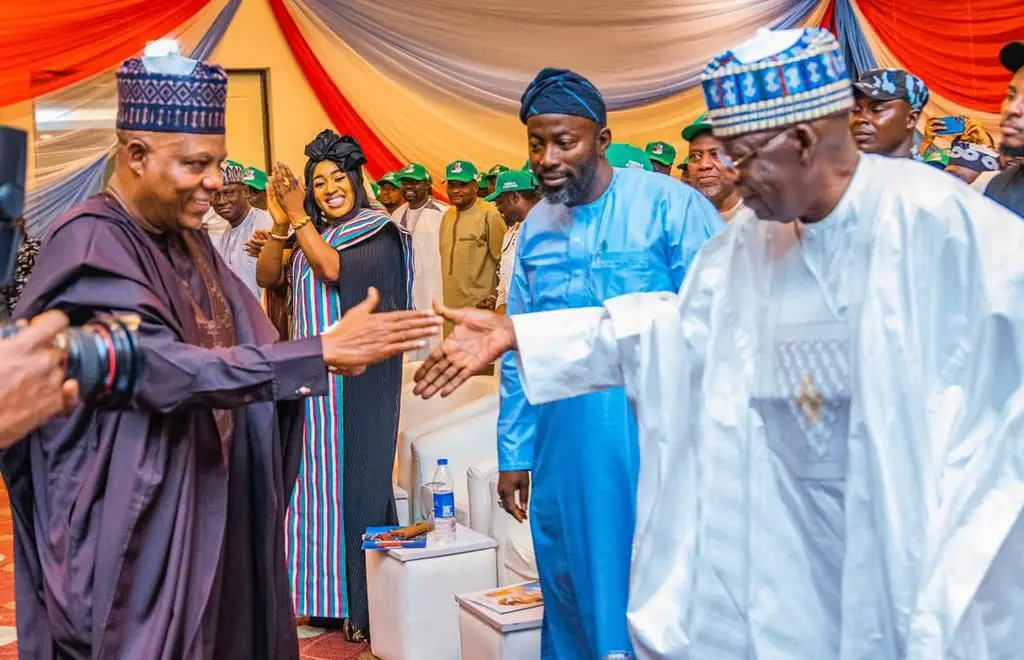
The Nigerian Supreme Council for Islamic Affairs (NSCIA) has voiced its disappointment over the administration of President Bola Tinubu and Vice President Kashim Shettima, despite expectations that the Muslim-Muslim ticketwould benefit the Muslim community.
Speaking at a pre-Ramadan lecture in Kaduna on Tuesday, February 25, Sheikh Abdurrasheed Hadiyyatullah, President of the Supreme Council for Sharia in Nigeria (SCSN), lamented that many Muslims—especially in the South-West—remain politically marginalised.
Muslim Communities Feel Betrayed – SCSN
Hadiyyatullah noted that while Nigeria had peacefully elected two Muslim leaders, their administration had not ensured justice and equity for all.
“We stand in solidarity with our brothers and sisters in the South-West, who overwhelmingly supported this ticket but have seen little benefit. Many Muslims feel betrayed for voting this administration into power,” he said.
The council also reaffirmed its commitment to unity, warning against divisive tactics aimed at weakening the Nigerian Muslim Ummah.
Rising Hardship and Economic Concerns
The Sharia Council also criticised the government’s economic policies, saying they have worsened the cost of living crisis. Hadiyyatullah cited:
- Petrol subsidy removal leading to skyrocketing prices.
- Rising inflation and the devaluation of the naira.
- New taxes and tariffs, including a 50% increase in telecom tariffs, a 100% hike in ATM charges, and proposed electricity tariff increases.
He urged the government to rethink its economic policies and focus on providing relief for struggling Nigerians.
Political Fallout of the Muslim-Muslim Ticket
Tinubu’s decision to run with Shettima as a Muslim-Muslim ticket sparked controversy before the 2023 elections, even within the ruling All Progressives Congress (APC). Despite the backlash, he defeated Atiku Abubakar and Peter Obito become President.
However, the NSCIA’s latest remarks suggest growing dissatisfaction within the Muslim community, raising concerns about the administration’s standing ahead of future elections.