



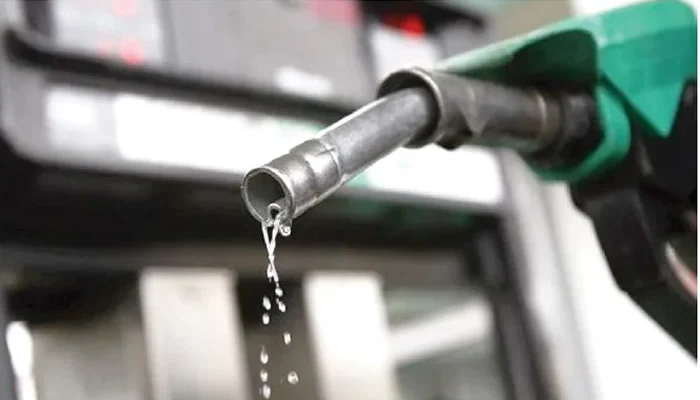
Nigeria experienced the most significant petrol price increase in Africa during the first half of 2026, with pump prices soaring by 39.5 percent.
This dramatic rise was driven by the Middle East conflict, which disrupted global crude oil supplies and exposed Nigeria’s vulnerability to external market shocks, despite ongoing growth in domestic refining capacity.
These findings were detailed in the Nigeria Half-Year Downstream Industry Report (January–June 2026), released by the Major Energies Marketers Association of Nigeria (MEMAN).
The report attributed much of the volatility to the conflict involving Israel, Iran, and the United States, which began on February 28, 2026. The crisis sent global crude oil prices above $100 per barrel and sharply increased the cost of transporting petroleum products. With shipping through the Strait of Hormuz temporarily halted, oil tankers were forced to reroute around the Cape of Good Hope, extending voyages from about 18 to nearly 40 days.
MEMAN noted that Nigeria’s newly deregulated petrol market meant global price shocks were passed directly to consumers, resulting in the largest price jump on the continent. Data showed a 39.5 percent surge in gasoline prices—substantially higher than increases in other African countries, such as Egypt’s 14.3 percent rise.
Despite the steep price hikes, the period also marked a turning point for Nigeria’s downstream sector. The expansion of the Dangote Petroleum Refinery led to a rapid shift away from imported fuel, with the share of locally refined Premium Motor Spirit (PMS) rising from 38.9 percent in 2025 to 81.7 percent during the review period. Local production also met 64 percent of diesel demand and 90.5 percent of cooking gas requirements.
However, MEMAN cautioned that increased domestic refining had not completely eliminated the need for imports. During peak demand between February and April, local output fell short, prompting regulators to authorize fuel imports to prevent shortages. This hybrid supply strategy helped stabilize the market during the worst of the international disruptions.
Rising replacement costs also led marketers to reduce fuel inventories, causing Nigeria’s strategic reserves to fall from 33 days’ sufficiency in January to just 16 days in May—well below the statutory 30-day safety benchmark. Reserves only partially recovered to about 20 days by June as imports resumed. MEMAN warned that such rapid drawdowns highlighted the urgent need for government-backed strategic reserves to protect against future supply shocks.
Persistently high fuel prices forced Nigerian consumers to reduce purchases, with average daily PMS consumption dropping by 22.3 percent and diesel by 17.5 percent.
While downstream reforms and expanded local refining have improved resilience, MEMAN emphasized that strong regulatory oversight remains essential to ensure fair competition, safeguard consumers, and sustain progress across the petroleum value chain.
The report also detailed how the Middle East conflict fundamentally altered global petroleum trade routes, with cargoes increasingly shifting from the Persian Gulf to the U.S. Gulf Coast and West Africa. The longer, costlier journeys underscored the importance of diversified refining centers and the growing role of Atlantic Basin suppliers in stabilizing global supply during crises.
Overall, the first half of 2026 was one of the most turbulent periods for Nigeria’s downstream petroleum sector since full deregulation. Although the Dangote Refinery’s expansion reduced reliance on imports, local capacity was still not sufficient to meet peak demand, requiring supplemental imports to maintain energy security. The report concluded that while increased domestic refining has strengthened supply resilience, global geopolitical events remain a major influence on Nigeria’s fuel prices.